
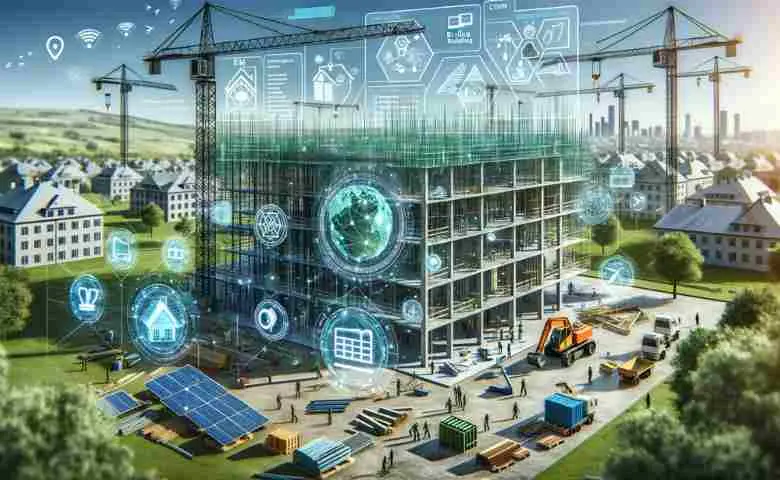
Do you know that construction practices have contributed significantly to global carbon emissions? According to a report published by the International Energy Agency, tracking buildings, it estimates that 37% of total global energy and carbon footprints are due to the construction industry. About 10% of this is attributed to the manufacturing of construction materials, and 18% of the carbon footprint is due to the transportation of materials. This emphasizes an urgent need to take preventive measures to improve green building construction. Moreover, the global trend has also shifted for sustainable aspects in the construction industry.
BIM is one of those global shift trends that helps the industry truly build sustainable buildings with energy-efficient methods. In this blog, we will explore how BIM can enhance efficiency and sustainability in construction.
Importance of BIM for Sustainable And Energy Efficient Construction
If you are linked with the AEC industry, then you must have an idea about sustainable construction and BIM. Building Information Modelling is software that provides 3D models in the virtual environment, helping to analyze and visualize projects before construction begins. Sustainable construction, on the other hand, involves building with sustainable Strategies and materials that do not harm the environment for future generations.
When discussing the role of BIM software in sustainable construction, it becomes clear that it is more than just software; it is a methodological process that enables the AEC industry to reduce its carbon footprint and build with energy-efficient materials.
How Does BIM Help in Sustainable Construction?
BIM offers various models. From 3D to 7D, each model explains construction design in depth so that you AEC industry optimize the cost, material and time. These factors help to reduce material wastage and lead towards sustainable construction. Let’s explain how BIM is helpful for greener buildings in different stages.
BIM And Pre-Construction Phase
BIM models are helpful to assist the construction crew and stakeholders at the preconstruction phase by providing them the detailed information about various energy-efficient ways and material optimization. By adjusting materials at this stage, they can choose sustainable and energy-efficient options. Moreover, these models are helpful to get the permit certificate from the higher authority and LEED. The buildings certified by the LEED company are considered the most authentic and certified sustainable buildings.
BIM And Construction Phase
If construction work begins on the site without detailed models, there is a risk of increased carbon emissions and a larger carbon footprint. Let us explain with a simple example. Suppose you start building with a rough Estimate and order materials over your needs. In that case, you will experience more material wastage and increased carbon emissions during the processing of these materials. BIM models directly explain accurate material quantities, helping to plan and order the exact amount. In this way, we can say that BIM models help provide a clear picture of the project from start to end and assist the construction crew in sustainably using resources and practicing cleaner and greener building methods.
Sustainable System Installations
BIM models are also helpful for choosing sustainable systems, such as HVAC, electrical setup, and energy systems to power the building. By analyzing the BIM models, you can calculate the energy requirements and choose the energy-efficient materials. Further, these models are also helpful for the load calculations and help in choosing the accurate materials with required specifications, such as specific types of electrical conduits, circuits, and switches. Furthermore, developers can also suggest any alternative power system, such as a solar setup or a thermal wind setup, to provide power.
Facility Management Phase
BIM models are also helpful for the sustainability of the facility management phase. For instance, if an electrical component is causing issues by consuming excessive light, the facility manager can directly access the BIM model to locate the light’s position, review the component’s warranty history, and replace it with a new one. This is very helpful for the energy-efficient clitty management
Renovation Phase
BIM models are not only helpful for the construction phase but also throughout the entire project lifecycle. Before BIM models, renovating a building required a lot of effort. Now, renovation contractors can access these models and pinpoint which areas of the building need renovation. In this way, they only renovate the required buildings and use the necessary materials. No extra material processing and no additional carbon emission!
BIM Improves Energy Efficiency & Sustainable Construction
BIM models are not only helpful for the construction phase but also throughout the entire project lifecycle. Before BIM models, renovating a building required a lot of effort.
Contact UsBenefits of Using BIM for Sustainability
Material Optimization
BIM models present a detailed overview of the building that helps determine what type of material will be beneficial. Sustainable materials are also of different types and qualities. BIM software helps in choosing cost-effective, sustainable materials. Further, it helps to calculate the exact amount of the material required for the building. In this way, the contractor orders the same amount and prevents material wastage, which reduces the carbon footprint.
Sustainability Measurement
BIM models are data-rich and are sophisticated with detailed information that helps the construction crew to optimize the overall building for sustainable factors. For example, ventilation, air quality, heat transfer, and many other factors that are responsible for the energy-efficient resources can be seen even before the project starts. In short, these VIM models help to maintain every aspect of a building from a sustainable point of view. Contractors can make changes in the layouts to adjust the natural light and can install energy-efficient systems.
Energy Optimization
BIM models are helpful in monitoring the overall energy usage of a building. These models help to track the overall energy consumption of a building according to its requirements. This information helps to implement energy-efficient appliances and leads to a sustainable building.
Building Optimization
Sustainability is not just about what materials are used in construction; rather, it’s a methodological approach to control the overall construction of the building with sustainable measures. BIM models help the construction crew to communicate with one another and work on factors such as energy consumption, noise pollution, machinery usage, material amount, and machinery impact on the environment. In this way, they can plan and deliver the project by following all sustainable approaches.
Light And Air Optimization
Through BIM models, designers and developers analyze the location, angles and the best possible ways to adjust the natural light coming in for the building so that energy usage can be minimized during the day. Further, window alignment and installation angles maintain the natural airflow and reduce the HVAC system usage, ultimately leading towards less energy consumption and a greener environment.
Integrate Renewable Energy in Buildings
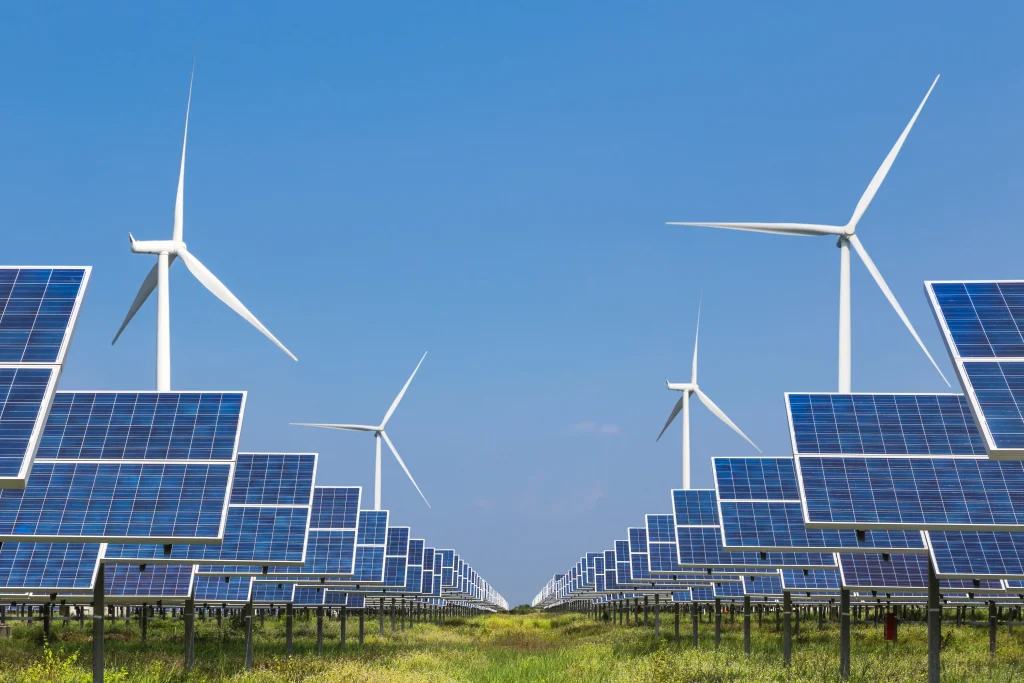
BIM models are beneficial in integrating the best renewable energy options for buildings. These models assess the scope of the project and location and then explain which renewable energy system will be suitable for the building. Using the 3D model information, contractors can easily determine whether to opt for thermal energy or a solar power installation for the building. Besides this, these BIM models assess and explain which location will be suitable for the solar system installation and thermal power to get the maximum energy and benefit.
Global Impact of BIM And Future Trends
BIM has revolutionized the construction industry at the global level. Now all the non-construction firms are focusing on working by opting for the sustainable construction method. For this day, get the database 3D VIM models and plan their construction accordingly. As the technology continues to grow, BIM will be more beneficial for the construction industry to build greener and more sustainable buildings.
Conclusion
Nowadays, sustainability has become the main concern for the construction industry due to the growing awareness among people. Now the clients want to build sustainable buildings and secure the environment for their generations. BIM is helping contractors and developers to work and build with energy-efficient methods. The future advancements in BIM will be more beneficial for the AEC industry.
Frequently Asked Questions
How does BIM help in sustainable construction?
BIM gives details about materials, layouts, and plans, which help to choose energy-efficient materials and the exact quantity, which prevents material waste and low material processing means low carbon emission. Further. These models also help to choose energy-efficient HVAC and electrical and plumbing setups for the buildings.
Why has energy-efficient construction become essential?
According to research, the construction industry’s contribution to total carbon emissions is almost 37%. These numbers require immediate steps for sustainable construction.
What is the future of BIM in the AEC industry?
Due to the technological advancements and AI emergence, there are chances that BIM will introduce various features for new advancements for sustainable and greener construction.
